In the world of engineering, failures are inevitable but not insurmountable. They provide valuable insights that help us understand what went wrong, why it happened, and how to prevent similar mishaps in the future. Geotechnical engineers play a critical role in investigating failures through a process known as geotechnical forensics. This process involves delving into the intricate details of failed projects, uncovering hidden causes, and extracting valuable lessons for better design and construction practices. In this blog, we'll explore the significance of geotechnical forensics, showcase real-life case studies of engineering failures, and highlight the lessons learned from each incident.
The Importance of Geotechnical Forensics:
Geotechnical engineering deals with the interaction between soil, rock, and structures. Failures in this field can have severe consequences, including property damage, environmental harm, and even loss of life. Geotechnical forensics serves as a vital tool to analyze these failures comprehensively, providing a deep understanding of the contributing factors. By pinpointing the root causes of failures, engineers can develop improved design methodologies, construction techniques, and risk mitigation strategies. Furthermore, the knowledge gained from forensic investigations enhances the overall safety, reliability, and performance of future projects.
Case Study 1: The Big Bayou Canot Bridge Disaster:
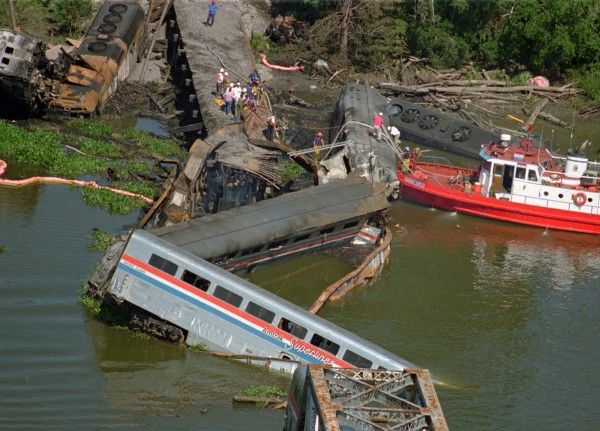
In 1993, the Big Bayou Canot Bridge disaster highlighted the significance of geotechnical forensics. The bridge collapsed due to a collision with a barge, leading to a catastrophic derailment. Investigation revealed that a shifting span was caused by soil liquefaction, a phenomenon where saturated soil temporarily loses its strength during seismic events. The soil's inability to support the bridge's weight during the impact resulted in the tragedy. Engineers learned that proper geotechnical investigations are crucial even for seemingly minor structures like railroads. This incident emphasized the importance of understanding the local soil behavior and incorporating it into design considerations. Listen to the Engineering Failure Podcast here with all the information details about lessons learned from the subsequent investigation.
Case Study 2: The New Orleans Levee Failures during Hurricane Katrina:
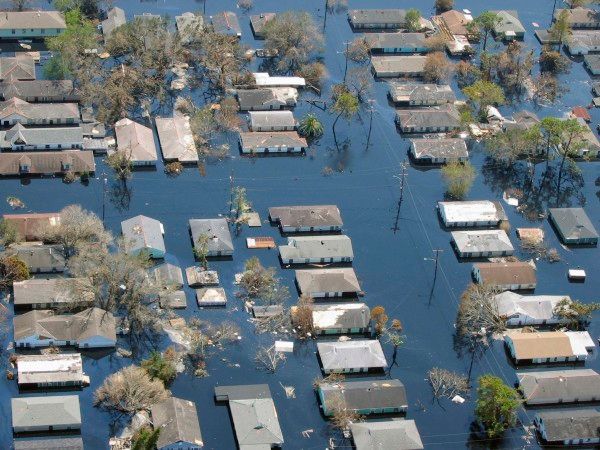
One of the most devastating failures in recent history occurred during Hurricane Katrina in 2005 when several levees in New Orleans breached, causing extensive flooding. The forensic investigation revealed multiple factors contributing to the disaster, including poor soil quality, inadequate design, lack of maintenance, and insufficient consideration of potential failure modes. The tragedy underscored the need for accurate site assessments, continuous monitoring, and thorough risk assessments in geotechnical engineering. Engineers learned that overlooking any of these elements could lead to catastrophic consequences, especially in high-risk areas prone to natural disasters.
Case Study 3: The Millennium Tower Tilting:

The Millennium Tower in San Francisco began sinking and tilting shortly after construction was completed in 2008. Geotechnical forensics discovered that inadequate foundation design, combined with soft soil conditions, led to the building's instability. The investigation highlighted the importance of proper geotechnical site investigations, continuous monitoring of structural performance, and early intervention to address potential issues. This case demonstrated that even in well-developed urban environments, geotechnical challenges can have significant implications on the safety and longevity of structures. Watch B1M’s great video about the Millenium Tower here.
Lessons Learned and Future Implications:
Geotechnical forensics provides a treasure trove of lessons that can reshape the way engineers approach projects. Some key takeaways include:
- Comprehensive Site Investigations: Thorough geotechnical site investigations are paramount, regardless of the project's scale or complexity.
- Risk Assessment: Proper assessment of potential risks, such as soil liquefaction or seismic events, should be integrated into the design process.
- Continuous Monitoring: Regular monitoring of structural behavior ensures that any issues are detected early and addressed before they escalate.
- Collaboration and Communication: Effective communication between geotechnical engineers, structural engineers, architects, and construction teams is essential for project success.
- Adaptive Design: Incorporating flexibility into designs to accommodate changing ground conditions or unforeseen events can enhance a project's resilience.
Geotechnical forensics is a pivotal process that sheds light on failures and paves the way for safer and more robust engineering practices. Through the lessons learned from past incidents, geotechnical engineers can continue to refine their methods, improve their designs, and mitigate risks effectively. By embracing the principles of geotechnical forensics, the engineering community can forge a path towards a future with fewer failures and a greater understanding of the intricate relationship between the ground and the structures we build upon it.