Centralize Subsurface Data Across Canadian Projects
Bring borehole, CPT, monitoring well, sampling, and lab results into one searchable subsurface database that grows across projects. Find what you need fast, reuse it confidently, and control exports when sharing with clients, owners, and stakeholders.
Database Management
Query & manage subsurface data
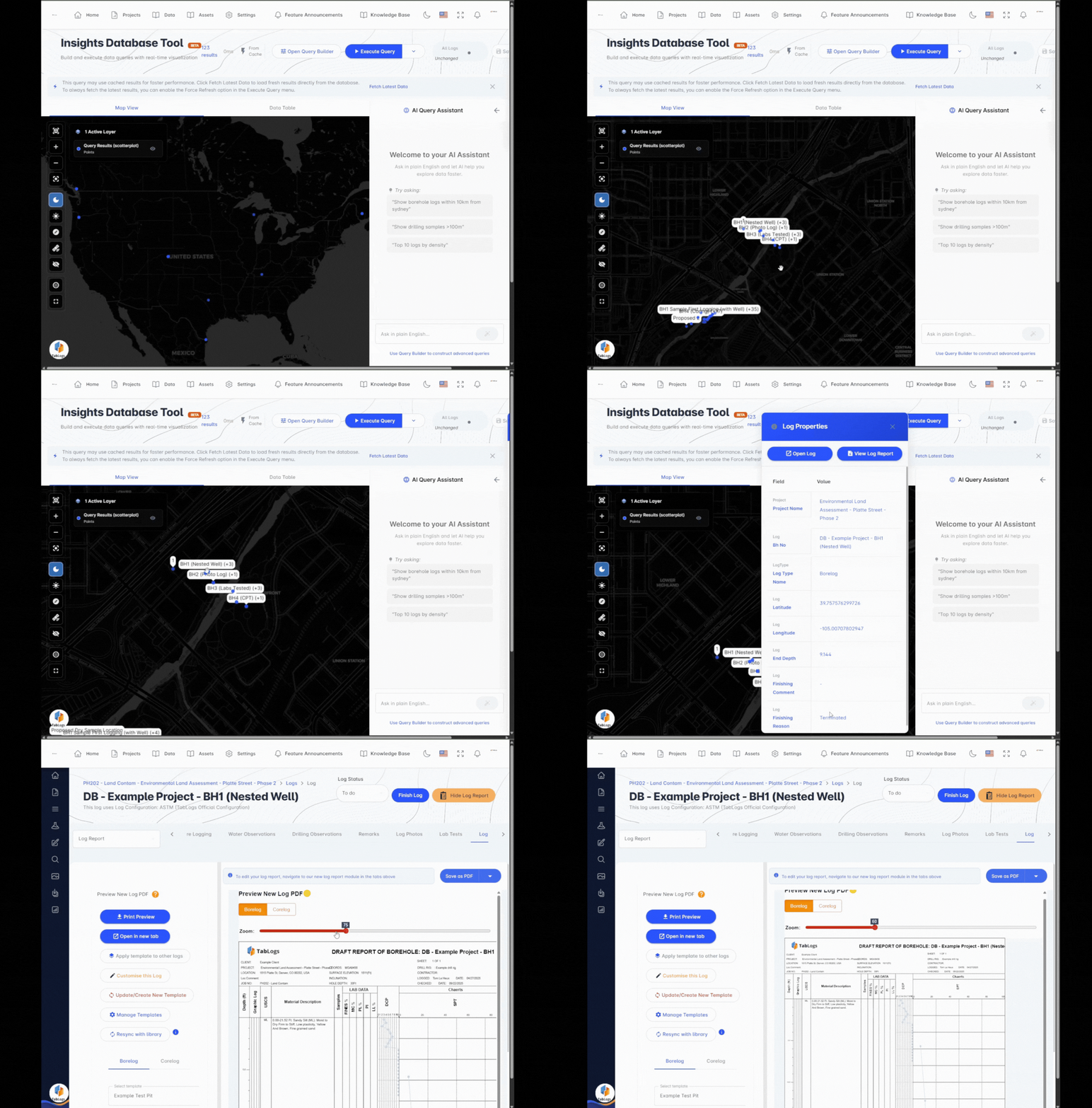
Built for Long-Term Geotechnical Data Management
TabLogs is a centralized subsurface database designed for long-term reuse, not a collection of disconnected project folders. Data is stored in a structured schema so teams can maintain consistency across offices, reduce rework, and keep historical investigations usable year after year. Store and manage:
- Borehole and core logs
- CPT and in situ test data
- Test pits and trenches
- Groundwater monitoring wells and sampling rounds
- Laboratory testing results
- Environmental site investigation data, including Phase II ESA programs
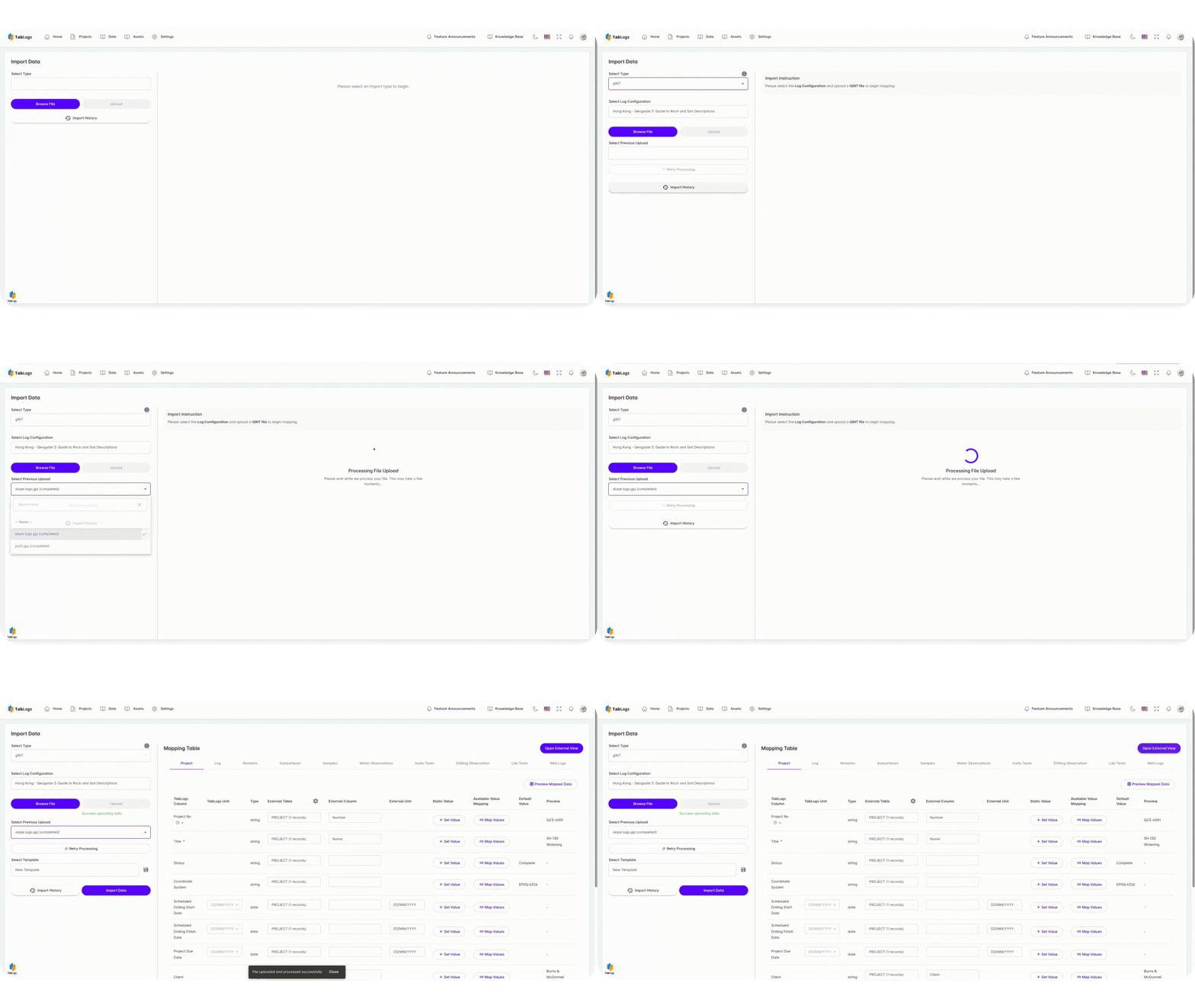
Import Legacy Data from gINT, OpenGround, Excel and More
Canadian firms often have years of subsurface history spread across gINT exports, OpenGround projects, spreadsheets, PDFs, and shared drives. TabLogs provides a practical path to consolidate legacy records into one structured database so historic data becomes searchable and reusable.
- Import structured data files and standardized tables from existing sources
- Standardize legacy borehole and sampling records into a consistent schema
- Consolidate disconnected project databases into a single data library
- Reduce re-entry of historical data and duplicated investigations
- Preserve ownership of your investigation records through exportable data
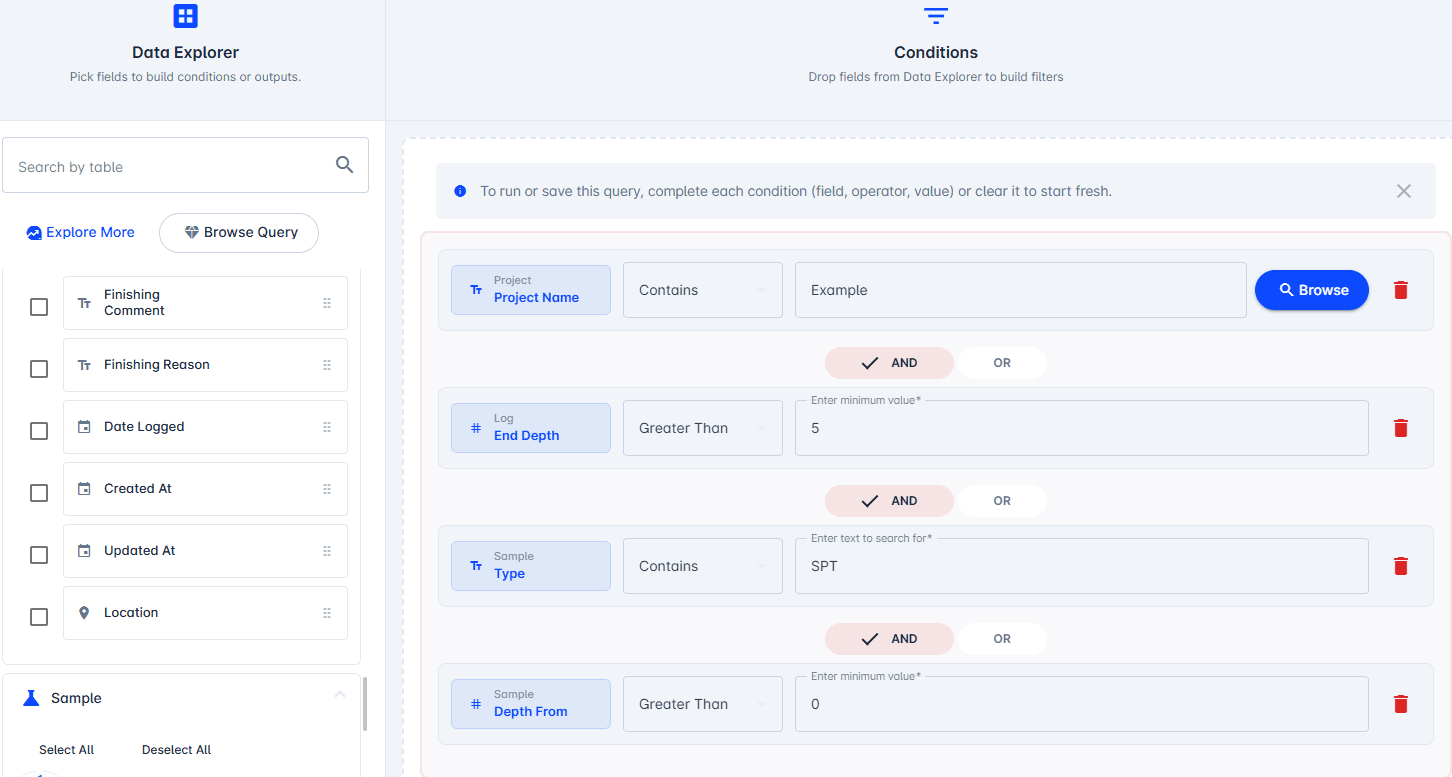
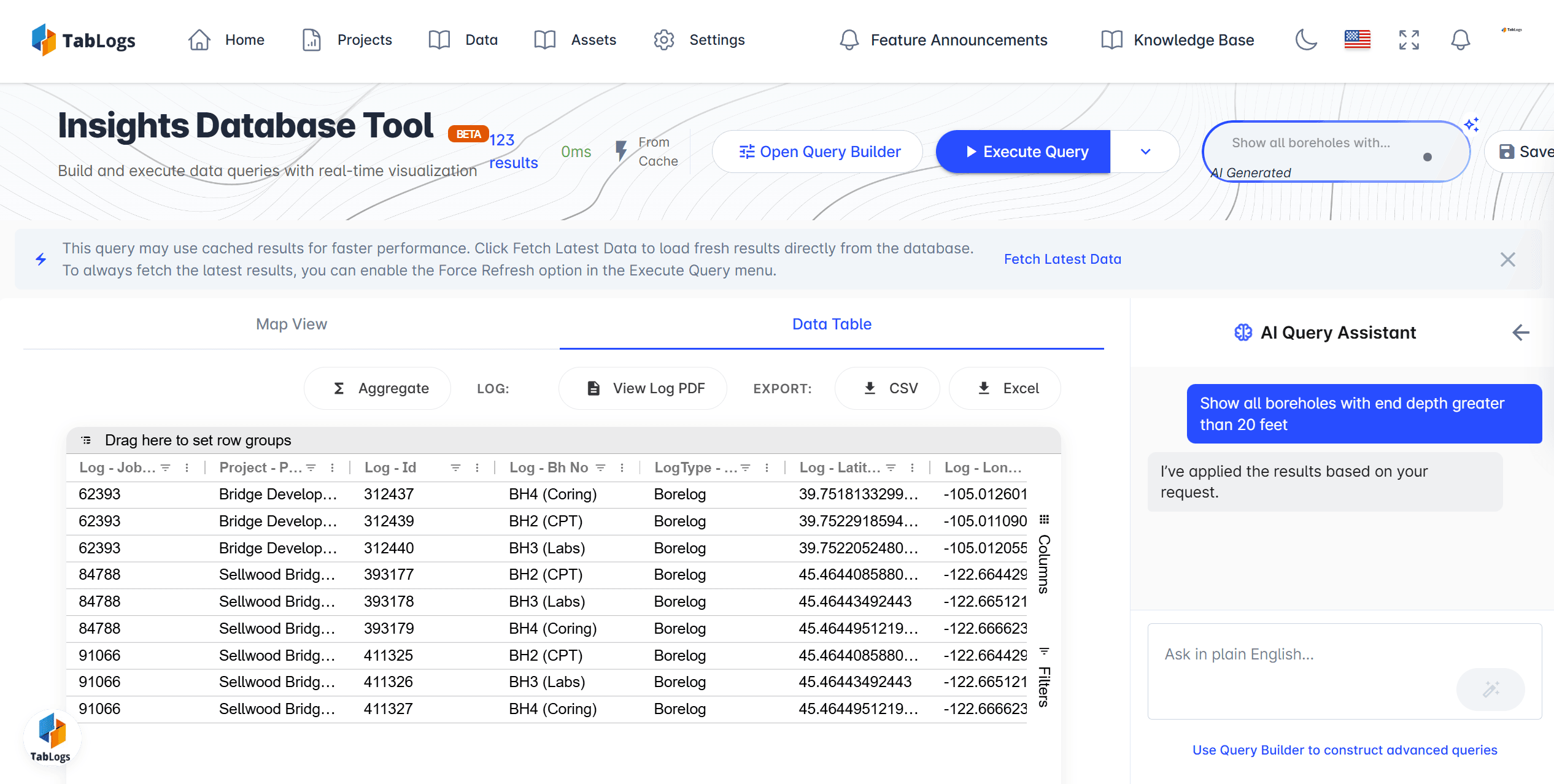
Search and Reuse Historical Borehole Data Across Projects
Turn past investigations into a working engineering resource. TabLogs makes it easy to locate relevant subsurface information during desktop studies, feasibility work, design development, and proposals. Engineers can:
- Search boreholes by location, depth, site, client, or project
- Filter by lithology, material, stratigraphy, groundwater, and test method
- Identify nearby investigations to support scoping and risk screening
- Reuse historical insights to reduce uncertainty and avoid unnecessary drilling
- Improve consistency when multiple teams work across the same region
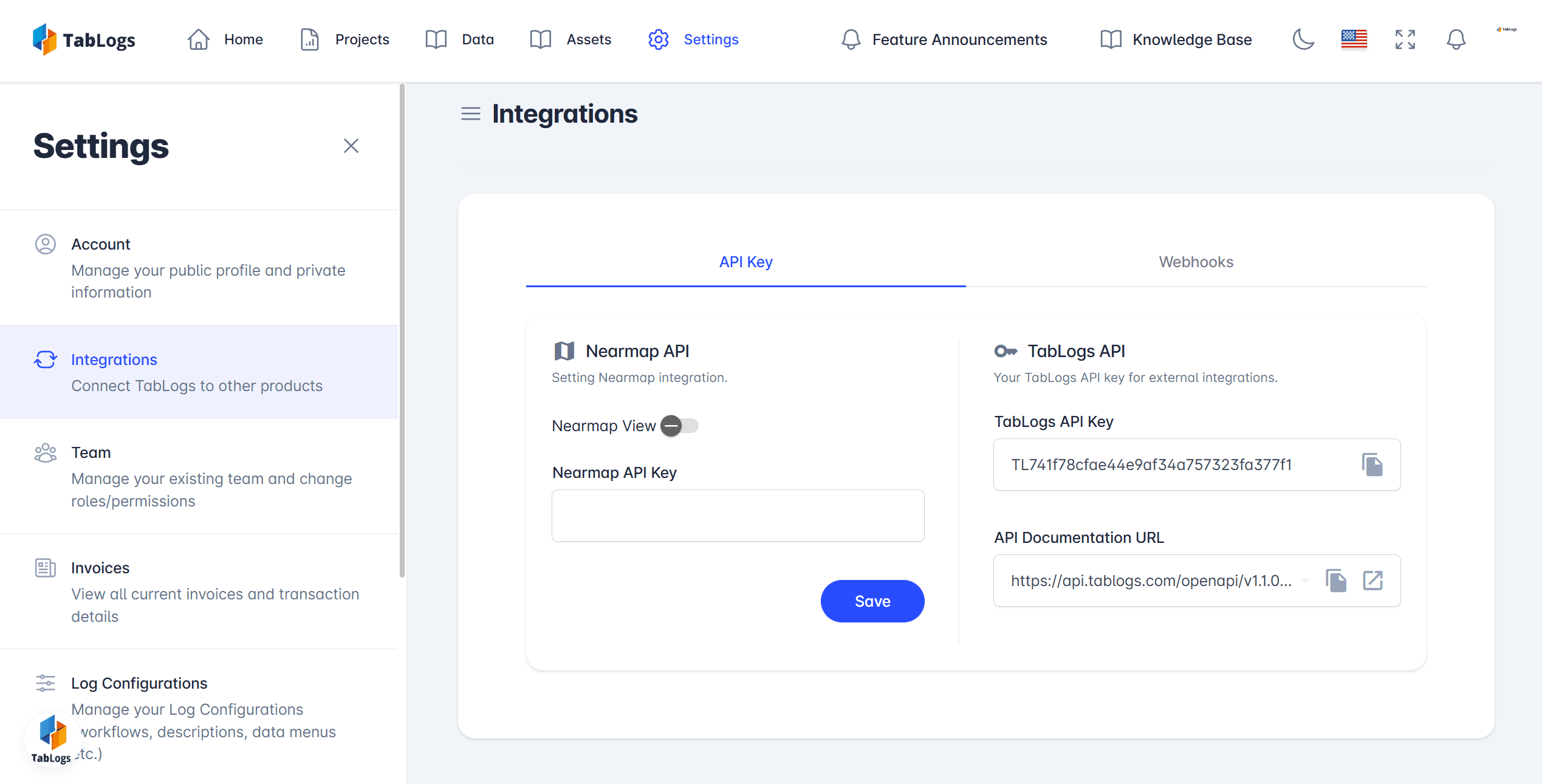
API and GIS Integration for Enterprise Workflows
Support enterprise workflows with structured exports and API access so subsurface data stays portable and ready for analysis. This is particularly valuable for multi-office teams and programs that require repeatable data handoffs. Capabilities include:
- Integration with GIS platforms such as ArcGIS
- Structured exports for reporting, modelling, and downstream analysis
- Support for Power BI and analytics workflows
- Custom API connections for enterprise environments
- Secure cloud access with controlled exports and permissions
A Modern Alternative to Fragmented Legacy Databases
Many databases and legacy approaches still leave teams with siloed project files, local infrastructure, and inconsistent data entry across offices. TabLogs provides a centralized, cloud-native database approach that supports continuity from field to office and long-term data reuse across Canadian projects. Compared to legacy systems TabLogs emphasises:
- Structured, standardized database architecture
- Centralized access across offices with role-based permissions
- Continuous database growth across projects, not isolated files
- Faster onboarding and simpler administration
- Reduced IT overhead and fewer points of failure
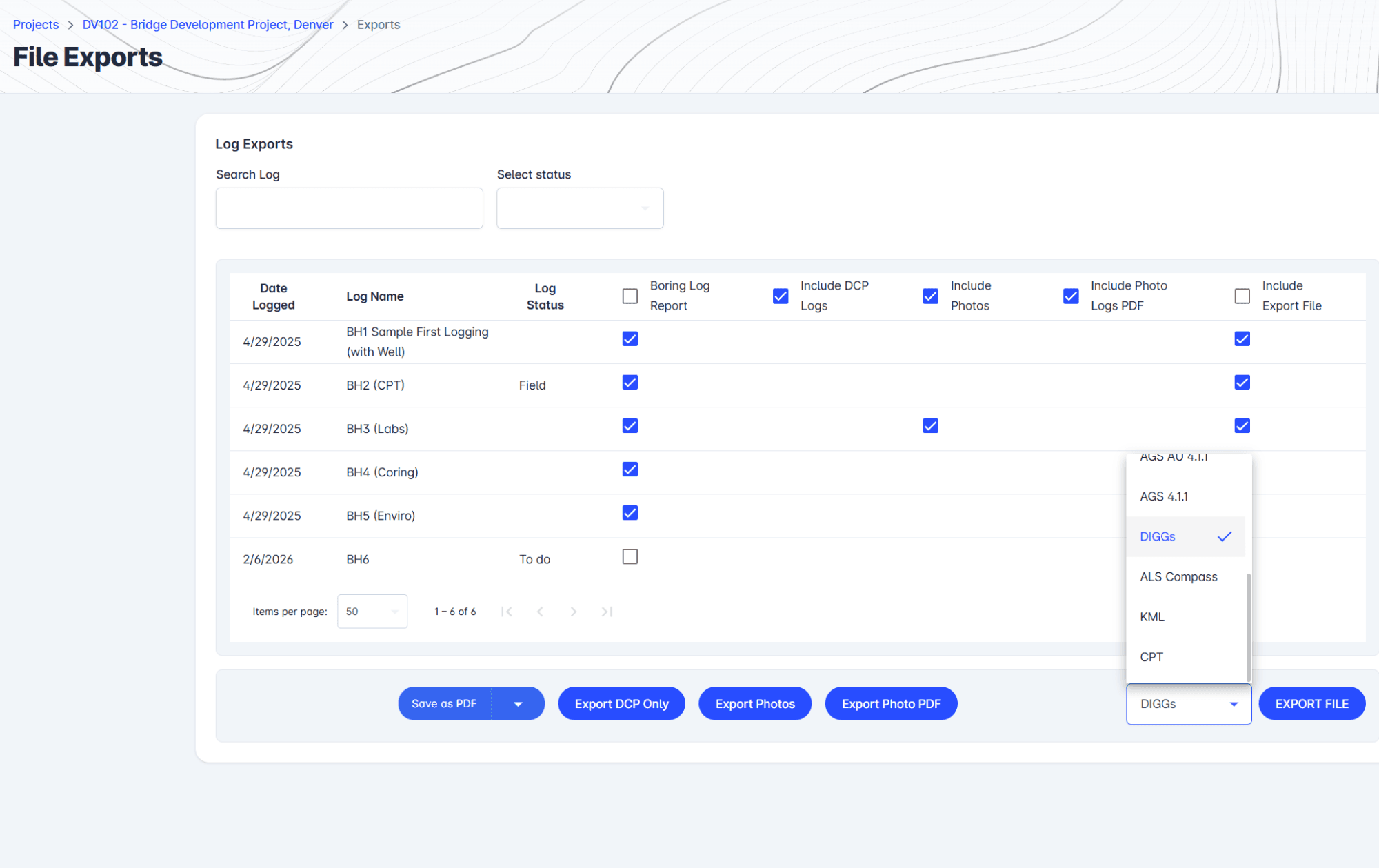
Structured Data Exchange for DIGGS, AGS, and Enterprise Exports
TIn Canada, teams commonly need flexible, portable exports for clients, owners, and internal analysis. TabLogs supports structured data exchange so you can share what is required without losing control of your core database. Benefits include:
- Support for DIGGS-aligned exchange workflows when required for data standardization initiatives
- Support for AGS export and import when collaborating with global stakeholders who request AGS deliverables
- Consistent formatting across offices and project teams
- Easier collaboration between consultants, labs, contractors, and owners
- Reduced risk of data loss, corruption, and version confusion through structured outputs
Ready to manage your data better?
Get all your subsurface data organized in one powerful platform.